
Plumbing tips from a working crew.
Real advice from our techs — what to check, what to leave alone, when to call. Save the headaches and the bills.
Know where your main water shut-off valve is located before an emergency happens. It could save you thousands in water damage.
Or just call us · (778) 721-8000 →What to do right now.
Four common plumbing emergencies. Take the right first steps, then call us.
Burst PipeA burst pipe can flood your home in minutes. Stop the water first, call us second.Critical
What to do
- 01Turn off your main water supply immediately (near your water meter)
- 02Open faucets to drain remaining water and relieve pressure
- 03Use towels to soak up water and protect floors and furniture
- 04Take photos for your insurance claim
- 05Call Captain Plumber for emergency dispatch
Prevent it next time
- Insulate pipes in cold areas (basement, crawlspace, garage)
- Keep your home heated, especially during cold snaps
- Let faucets drip during extreme cold
- Fix small leaks promptly before they grow
Overflowing ToiletWater damage plus contamination. Act fast to stop the flow.High priority
What to do
- 01Lift the toilet lid and push the flapper down to stop water flow
- 02Turn off the water valve behind the toilet (clockwise until tight)
- 03Use a plunger with firm up-and-down motions to clear the blockage
- 04Clean up spilled water immediately with towels or a mop
- 05Call Captain Plumber if plunging doesn't resolve it
Prevent it next time
- Only flush toilet paper and human waste
- Keep a plunger in every bathroom
- Consider an overflow-protection device
- Address slow drainage early before it becomes a clog
Sewer BackupBacterial hazard and property damage. Treat as a contamination event.High priority
What to do
- 01Stop using all plumbing fixtures (toilets, sinks, washer, dishwasher)
- 02Keep children and pets away from affected areas
- 03If safe, turn off electricity to affected areas
- 04Avoid direct contact with sewage — wear gloves and boots if needed
- 05Call Captain Plumber for emergency sewer service
Prevent it next time
- Never flush wipes, hygiene products, or paper towels
- Keep grease out of drains — collect and dispose separately
- Install a backwater prevention valve on the main line
- Have sewer lines inspected and cleaned annually
Frozen PipesFrozen pipes can burst when they thaw. Catch them early, thaw safely.Moderate
What to do
- 01Turn off the water supply to the affected pipe (or at the main)
- 02Open the faucet connected to the frozen pipe to relieve pressure
- 03Apply gentle heat: heating pad, hair dryer, or warm towels
- 04NEVER use a blowtorch or open flame near pipes
- 05Call Captain Plumber if you can't locate or safely thaw the section
Prevent it next time
- Insulate exposed pipes, especially in unheated areas
- Keep garage doors closed if water lines run inside
- Let cold water drip slightly from exposed-pipe faucets
- Maintain at least 55°F (13°C) inside, even when away
Plumbing reading worth your time.
Three handpicked articles from Canadian utilities and energy authorities. Practical, no fluff.
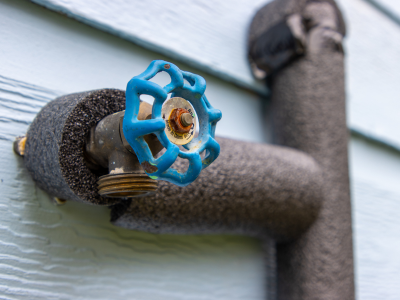 Maintenance
Simple ways to prevent your pipes from freezing this winter
Severe winter weather can hit fast. PreparedBC's guide walks you through how to ready yourself, your home, and your vehicle for the cold.
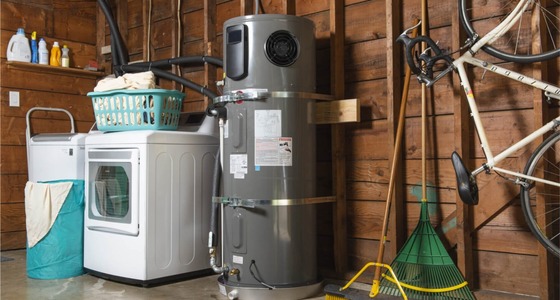 Tips
TipsSmart ways to save energy and money with water heating
Cut utility bills with efficient gas water heating: sizing, insulation, smart usage habits, and the ENERGY STAR replacement criteria.
 Buyer's Guide
When should you replace your gas water heater?
Tank sitting quietly in your basement? Hot showers running out too soon? ENERGY STAR breaks down when replacement is the smarter call.